The International Conference on Organization and Technology of Maintenance (OTO) was first held in Osijek on 20 April 1990, at the initiative of Prof. Branimir Kovačić of the Faculty of Electrical Engineering. It was organized by the Maintenance Society Osijek, founded in 1983, which brought together engineers and technicians from the industrial sector of the Slavonia-Baranja region. The conference has been held annually ever since, except in 1991 due to the war. In 1996, it adopted its current name, and OTO became its recognizable brand.
During its first three decades, OTO was held in a dozen towns and cities across eastern Croatia, most frequently in Osijek. More than 1,300 authors from the fields of mechanical engineering, electrical engineering, economics, agronomy and civil engineering presented their work, and approximately 630 papers were published. The number of papers presented at each conference increased from around ten to more than forty, while the proportion of women among the authors rose from approximately 10% to 25%. Throughout this period, the conference relied on volunteer work and sponsorship from companies, chambers of commerce and universities.
In 2011, the Maintenance Society Osijek received the City of Osijek Seal for its contribution to science, and OTO gained international status in 2015. In 2017 and 2018, FERIT organized the conference, with Panon as co-organizer.
Since 2019, Panon has served as the Conferenece organizer, with faculties of the universities in Osijek and Slavonski Brod as co-organizers, and this has been the most dynamic period in the conference's history. Each edition has been led by its own chief editor: Assoc. Prof. Marijana Hadzima-Nyarko (2019), Olivera Galović, PhD and Assoc. Prof. Mirko Karakašić (2020), Hrvoje Glavaš, PhD (2021), Assoc. Prof. Damir Blažević (2022), Assoc. Prof. Tomislav Keser (2023), Prof. Hrvoje Glavaš (2024) and Prof. Časlav Livada (2025).
The conference proceedings have been published in open access throughout this period, first through a successful collaboration with Springer (2021–2024), and from 2025 onward through MDPI's Engineering Proceedings. Between 2019 and 2025, OTO grew into a genuinely international gathering: around 220 papers were presented by authors from 14 different countries, with female scientists making up roughly a quarter of all authors.
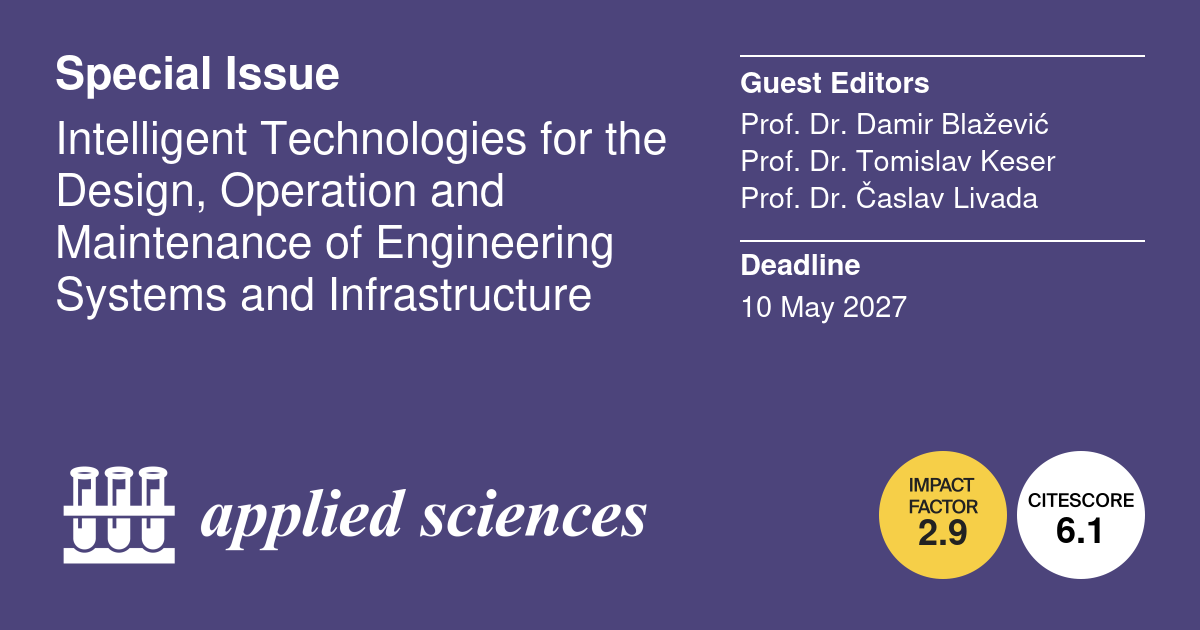
And finally, as part of this collaboration, a call for papers has been launched for a special issue of the journal Applied Sciences entitled “Intelligent Technologies for the Design, Operation and Maintenance of Engineering Systems and Infrastructure”. The special issue aims to promote the topics and scientific contributions of the OTO 2026 conference.
The guest editors of the special issue are our colleagues, professors at the Faculty of Electrical Engineering, Computer Science and Information Technology Osijek, Josip Juraj Strossmayer University of Osijek.
This year's conference is held at IT Park Osijek.
We look forward to continuing the successful cooperation between the production and service sector and the scientific community.
Chairman of the Panon Steering Committee
prof. dr. sc. Damir Blažević
oto2021.panon.eu/
oto2022.panon.eu
oto2023.panon.eu
https://link.springer.com/conference/oto
The OTO 2025 proceedings are available open access on MDPI Engineering Proceedings: mdpi.com/2673-4591/125
The OTO 2026 conference continues its successful collaboration with MDPI, with accepted papers to be published in Engineering Proceedings (ISSN 2673-4591), an open-access journal series dedicated to conference proceedings in engineering and related disciplines. As with OTO 2025, all published papers will be freely accessible to the global scientific community.
Engineering Proceedings is indexed and recognized in the following international scientific databases and directories:
Each published paper will receive a unique DOI (Digital Object Identifier), ensuring permanent accessibility and citability. Open access publication guarantees maximum visibility and impact of the research presented at the conference.
Researchers are invited to submit original research papers and scientific contributions that align with the thematic areas of the OTO 2025 conference. The dissemination of knowledge and advances in the field of maintenance is vast and multi-faceted, encompassing a variety of media and platforms. In this context, the International Conference on Organization and Technology of Maintenance (OTO) serves as a central forum for the presentation and discussion of current innovations, emerging trends and critical issues in the field of maintenance.
The main objective of the OTO is to promote the exchange of ideas, methods and empirical findings between professionals and academics from various technical disciplines. These include electrical, civil and mechanical engineering as well as other technical fields that overlap with maintenance practice. In addition, the conference promotes interdisciplinary approaches that integrate insights from different fields to address complex maintenance challenges.
The scope of the Organization and Technology of Maintenance (OTO) encompasses a broad range of topics including, but not limited to, the following key areas:
Organization and Management of Maintenance
(strategic planning, performance metrics, outsourcing vs. in-house maintenance, maintenance culture)
Maintenance Technologies
(IoT, advanced sensors, augmented reality, robotics, machine learning applications)
Quality Management in System Maintenance
(Total Quality Maintenance, Six Sigma, continuous improvement, Kaizen in maintenance)
Information Systems in Maintenance
(CMMS, Enterprise Asset Management systems, digital twins, data analytics, cloud-based solutions)
Product Lifecycle Management
(integration of maintenance feedback, sustainable lifecycle strategies, design-maintenance integration)
Design for Maintainability
(human-centered design, modularity, accessibility, design standards for easier maintenance)
Material and Structure Properties
(durability, wear resistance, corrosion, non-destructive testing, advanced materials)
Reliability of Technical Systems and Environmental Safety
(reliability analysis, risk assessment, environmental impact mitigation, safe operation protocols)
Diagnosis and Prognosis of Failures and Operational Malfunctions
(predictive maintenance, FMEA, prognostics and health management, real-time monitoring)
Design Optimization for Maintenance
(multi-objective optimization, simulation-based design, cost-benefit analysis in design phase)
Maintenance in Technical Systems
(industrial plants, transportation systems, energy systems, system-level maintenance strategies)
Analysis of Efficiency and Cost Effectiveness of Maintenance
(lifecycle cost analysis, ROI, cost-benefit trade-offs, resource optimization)
Influence of Maintenance on the Environment and Employee Safety
(green maintenance practices, energy-efficient maintenance, ergonomics, safety protocols)
Sustainable Maintenance Practices
(eco-friendly methods, resource conservation, carbon footprint reduction)
Cybersecurity in Maintenance Systems
(protection of digital platforms, IoT security, risk mitigation in networked systems)
Resilience and Adaptability of Maintenance Systems
(response to disruptions, disaster preparedness, supply chain impacts)
Case Studies and Best Practices in Maintenance
(real-world insights, industry applications, lessons learned)
Originality and Relevance: Submitted papers should be based on original research or work conducted by the author(s). The content must be up-to-date and demonstrate a clear contribution to the field. Authors are encouraged to focus on innovative and contemporary topics relevant to the conference theme.
Abstract: Each paper must be accompanied by a concise abstract (200 to 300 words), which should provide clear and comprehensive information about the purpose, methodology, results, and conclusion of the paper. The abstract should be self-contained and easy to understand for both experts and non-experts in the field.
Submission Platform: All papers must be submitted through the Conference Submission System that is EasyChair. To submit your abstract, please go to https://easychair.org/conferences/?conf=oto2026. Please ensure that your submission follows the formatting guidelines and includes all required details.
Formatting: Papers should adhere to the formatting requirements specified in the conference guidelines. This includes font size, line spacing, margin size, citation style, and any other specific instructions. These guidelines will be available on the conference website.
Posters: If an author wishes to present a poster alongside their paper, this should be indicated in the abstract. Authors wishing to report the publication or presentation of a poster should explicitly mention it in their submission. Posters must also adhere to the presentation format guidelines set by the conference.
Review Process: All submitted papers will go through a peer review process. Authors will be notified of the acceptance or rejection of their submission based on the reviews. In some cases, revisions may be requested, and authors will be given the opportunity to submit revised versions.
Article Processing Charge (APC): An article processing charge of 140€ applies to all accepted papers.
Deadlines: All submissions must be made before the specified deadlines. Late submissions will not be considered for inclusion in the conference program.
Ethical Considerations: Authors are expected to ensure their work complies with ethical guidelines for research and publication. Any potential conflicts of interest should be disclosed, and appropriate citations should be provided for all sources referenced.
29.04.2026. – Call for Papers Announcement
10.06.2026. (Extended) – Abstract Submission Deadline
30.06.2026. – Full Paper Submission deadline
10.07.2026. (Extended) – Full Paper Submission deadline
10.10.2026. – Notification of Acceptance
01.11.2026. – Final paper submission
11.12.2026. – Paper presentation at Conference
International Organizing Committee
Damir Blažević, Full Professor, PhD (Croatia) - President
Sebastijan Seme, Full Professor, PhD (Slovenia)
Željko Barač, Assistant Professor, PhD (Croatia)
Ivan Plaščak, Full Professor, PhD (Croatia)
Siniša Škrbić, Full Professor, PhD (Serbia)
Vasilija Šarac, Full Professor, PhD (Republic of North Macedonia)
International Editorial Board
Časlav Livada, Full Professor, PhD – President
Krunoslav Minažek, Professor, PhD (Croatia)
Tomislav Keser, Full Professor, PhD (Croatia)
Ivana Semanjski, Professor, PhD (Belgium)
Aleksandar N. Ašonja, Full Professor, PhD (Serbia)
María Victoria Requena García de la Cruz, PhD (Spain)
International Programme Committee
Tomislav Keser, Full Professor (Croatia) - President
Marinko Barukčić, Full Professor (Croatia)
Damir Blažević, Full Professor (Croatia)
Marino Brčić, (Croatia)
Miodrag Brkić, Associate Professor (Serbia)
Neven Bulić, (Croatia)
Dominik Cikač, Assistant Professor (Croatia)
Dominika Crnjac-Milić, Full Professor (Croatia)
Nenad Cvetković, Full Professor (Serbia)
Slavica Gajić, (Bosnia and Hercegovina)
Tomislav Galba, Associate Professor (Croatia)
Tomáš Hanák, Assistant Professor (Czech Republic)
Željko Hederić, Full Professor (Croatia)
Dejan Jovanović, (Serbia)
Gyuyong Kim, Full Professor (South Korea)
Ružica Kljajić, PhD (Croatia)
Časlav Livada, Full Professor (Croatia)
Predrag Marić, Full Professor (Croatia)
Monika Marković, Full Professor (Croatia)
Francisco Martínez-Álvarez, Full Professor (Spain)
Krunoslav Minažek, Professor (Croatia)
Krešimir Nenadić, Full Professor (Croatia)
Dino Obradović, PhD (Croatia)
Jelena Radić, Associate Professor (Serbia)
Dorijan Radočaj, Assistant Professor (Croatia)
María Victoria Requena García de la Cruz, PhD (Spain)
Sebastijan Seme, Full Professor (Slovenia)
Istvan Szabo, Full Professor (Hungary)
Vasilija Šarac, Full Professor (Republic of North Macedonia)
Krešimir Šolić, Full Professor (Croatia)
Nataša Šuman, Associate Professor (Slovenia)
Nikola Turk, Assistant Professor (Croatia)
Ivan Vidaković, Assistant Professor (Croatia)
Heshuai Yu, PhD (China)
Domagoj Zimmer, Assistant Professor (Croatia)
Boštjan Žvanut, Associate Professor (Slovenia)
International Scientific Committee
Željko Barač, Assistant Professor (Croatia) - President
Ivan Aleksi, Full Professor (Croatia)
José-Lázaro Amaro-Mellado, Associate Professor (Spain)
Ivan Ambroš, PhD (Croatia)
Dražen Bajer, Assistant Professor (Croatia)
Josip Balen, Full Professor (Croatia)
Marinko Barukčić, Full Professor (Croatia)
Alfonzo Baumgartner, Associate Professor (Croatia)
Huseyin Bilgin, Full Professor (Albania)
Damir Blažević, Full Professor (Croatia)
Jelena Božek, Associate Professor (Croatia)
Dalibor Buljić, PhD (Croatia)
Dominika Crnjac-Milić, Full Professor (Croatia)
Josip Cumin, Assistant Professor (Croatia)
Nenad Cvetković, Full Professor (Serbia)
Hrvoje Dragovan, (Croatia)
Daniela Dvornik Perhavec, PhD (Slovenia)
Snežana Đurđić, Full Professor (Serbia)
Mohamed Elchalakani, Full Professor (Australia)
Krešimir Fekete, Full Professor (Croatia)
Irena Galić, Full Professor (Croatia)
Krešimir Grgić, Full Professor (Croatia)
Ehsan Harirchian, PhD (Germany)
Ivana Hartmann Tolić, Assistant Professor (Croatia)
Željko Hederić, Full Professor (Croatia)
Željko Hocenski, Full Professor (Croatia)
Ivan Ivković, Lecturer (Croatia)
Vedrana Jerković, Associate Professor (Croatia)
Josip Job, Full Professor (Croatia)
Dejan Jovanović, Assistant Professor (Serbia)
Tomislav Keser, Full Professor (Croatia)
Uroš Klanšek, Full Professor (Slovenia)
Goran Knežević, Full Professor (Croatia)
Mirko Köhler, Full Professor (Croatia)
Veljko Koković, Assistant Professor (Serbia)
Miljan Kovačević, Associate Professor (Serbia)
Đurđica Kovačić, Assistant Professor (Croatia)
Danijel Kukaras, Full Professor (Serbia)
Krešimir Lacković, Assistant Professor (Croatia)
Zlatko Lacković, Full Professor (Croatia)
Časlav Livada, Full Professor (Croatia)
Ivica Lukić, Full Professor (Croatia)
Predrag Marić, Full Professor (Croatia)
Krešimir Mastanjević, Full Professor (Croatia)
Kristina Mastanjević, Associate Professor (Croatia)
Slavica Miladinović, (Serbia)
Antonio Morales Esteban, Full Professor (Spain)
Aleksandar N. Ašonja, Full Professor (Serbia)
Paweł Niewiadomski, Associate Professor (Poland)
Robert Noskov, (Croatia)
Marina Peko, Senior Lecturer (Croatia)
Ivica Petrović, Associate Professor (Croatia)
Ivan Plaščak, PhD (Croatia)
Ljiljana Popović, Associate Professor (Serbia)
María Victoria Requena García de la Cruz, PhD (Spain)
Krešimir Romić, Assistant Professor (Croatia)
Goran Rozing, Associate Professor (Croatia)
Ivana Semanjski, PhD (Belgium)
Sebastijan Seme, Full Professor (Slovenia)
Blaža Stojanović, Full Professor (Serbia)
Marinko Stojkov, Full Professor (Croatia)
Marija Šiško, Associate Professor (Croatia)
Damir Šljivac, Full Professor (Croatia)
Robert Šojo, Senior Lecturer (Croatia)
Marija Šperac, Full Professor (Croatia)
Andrej Štrukelj, Full Professor (Slovenia)
Miljenko Švarcmajer, Assistant (Croatia)
Danijel Topić, Full Professor (Croatia)
Aleksandar Vencl, Full Professor (Serbia)
Nikola Vukašinović, Assistant Professor (Slovenia)
Domagoj Zimmer, Assistant Professor (Croatia)
Honorary Committee
Milan Ivanović, Full Professor, PhD - President
Franjo Ambroš, Master of Science
Goran Heffer, Full Professor
Željko Hocenski, Full Professor
Franjo Jović, Full Professor
Zlatko Lacković, Full Professor
Srete Nikolovski, Full Professor
Technical and IT support
Domagoj Vuković, Master of Engineering - President
Davor Begić, Bachelor of Engineering
Dario Došen, University Master of Engineering
Darko Đurković, Bachelor of Engineering
Ivan Horvat, Master of Economics
Andrej Horvat, Master of Engineering
Mario Miloloža, Master of Engineering
Ivan Thür, Bachelor of Engineering
Official Languages
The official language of the conference is English.
Manuscript Template
Use this Microsoft Word template to prepare your manuscript.
Use this LaTeX template to prepare your manuscript.
Think tank Panon –Institute for Strategic Studies Osijek is a non-profit organization (registered for scientific research) with 30 masters and doctorates in various fields of technical, social and human sciences (economics, electrical engineering, philosophy, geodesy, civil engineering, informatics, pedagogy, history, law, computer science, sociology and mechanical engineering).
EasyChair was used for managing the peer-reviewing process for this conference.